
I signed up for a blog conference without considering how I’d actually attend. My challenges began with registration. Was my lunch preference vegetarian, vegan, gluten free, or no special dietary needs? I totally would have sent a snotty gram to the event organizers about food allergy awareness, but my dietary needs are hard for even me to understand (low histamine, low FODMAP WITH gluten – don’t you dare deny me a donut). When your list of allergies includes most brands of water, seeking accommodations often seems unrealistic.
I showed up not knowing how I would survive the first session, let alone the whole day. Conferences are high energy networking opportunities. I don’t have much energy and I’m allergic to people. One person’s perfume can send me to the ER. So I snuck into the back of the auditorium and sat among the guys. Pro-tip: men tend to be less fragrant. Unless you mean body odor. But I’m not allergic to body odor because this disease is cruel and ironic.
By the second session, I was feeling a little more confident. I had decided my disheveled appearance was actually “on brand” for my blog. I started thinking, “Maybe I can do this people thing!” Then a guy sat down next to me and fear swept in. I thought, “Maybe I don’t want to do this people thing!”
Of course, he said hi. I replied with a convincing smile, because my Minnesota Nice upbringing overrides my social anxiety. “What do you blog about?” he asked.
You don’t want to know, beauty and fashion, and my dog were responses I considered. Up until this point, I had fooled everyone into thinking I’m was a functional human. But I figured I might as well be honest, since chances were high I’d be leaving this conference by ambulance anyway.
“I have a rare disease that causes me to be allergic to most things. So I write about chronic illness and disability. I am trying spread awareness and help others with mast cell disease,” I said.
“That’s cool. I have Crohn’s disease,” he replied.
“I’ve had two colonoscopies!” I blurted out. Yes, I said that. “I mean that was one of my misdiagnoses – ulcerative colitis, actually. I have a bunch of mast cells in my intestine. My doctor didn’t know what was going on, and I actually had to have butt surgery.”
Protip: Do not affectionately call your past procedure butt surgery, even if it is anatomically accurate. Especially around people you’ve just met. Even if they have Crohn’s disease.
But I was still convinced humor could save me. “They screwed up my first colonoscopy, so they gave me a two for one deal on the second,” I joked. He stared without the slightest detection of sarcasm. “I mean, not really. My deductible was met.”
In that moment, I realized I am still learning how to convey empathy. I desperately wanted to express my understanding. That I had undergone all of the procedures that inflammatory bowel disease patients endure. That I spent countless hours in the bathroom telling myself poop jokes to soothe the excruciating pain. That I felt a rare connection, and that I was grateful because I knew he understood a part of my experience too.
After my torrential overshare, he told me that Crohn’s had forced him to get a colostomy. I’d like to think my candidness encouraged him to share this. I wholeheartedly listened to him tell his story of recovery and remission. Someday, I hope to tell my story with as much grace.
With that bit of inspiration, I survived the whole conference, aside from resting at home over lunch. The day ended with a professional audit of my blog. Again, my confidence wavered. My blog was not the caliber of the other blogs. I didn’t want to embarrass myself or waste anyone’s time.
I began trivializing my blog as soon as I sat down with the auditor, which launched into another anxious soliloquy about my inexplicable disease. At least it was the end of the conference and I knew I could flee from the embarrassment. To my surprise, she said, “I think your blog is great. It is well designed and the content is engaging. My daughter has fought leukemia twice and I know how important the blogging community is for people suffering from medical issues.”
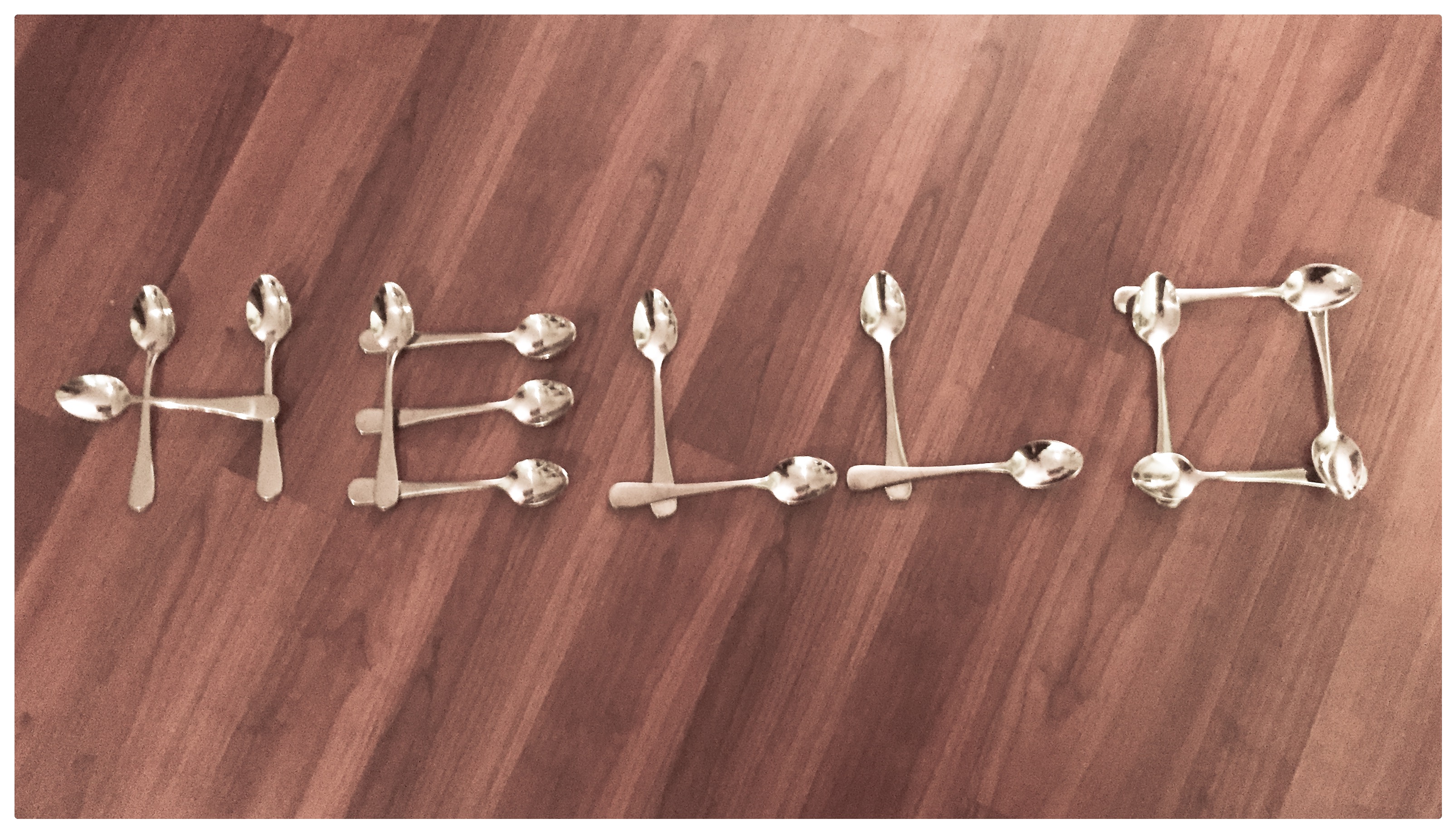
She completely understood my audience, commended my goals, and offered valuable advice. There were tears in my eyes. (Thank goodness did not share that I too see a hematologist and know all about bone marrow biopsies. Blood is way less funny than poop.) I left the conference without a better understanding of SEO, plugins, or analytics. Instead, I left full of inspiration and a sense of belonging. Spoonies are all around us, despite the challenges, quietly listening with stories of their own.
P.S. Are you still confused what spoonie means? Read “The Spoon Theory” by Christine Miserandino.
