My adrenals didn’t RSVP to my MCAS remission party

Keeya and others in a Zumba class on the pier

When my MCAS symptoms went into remission in April 2021, everyone wanted to know how long it’d last. After years of trialing medications, suddenly fragrances no longer bothered me, I could eat anything I wanted, my joints stopped subluxating, and I could stand without fear of passing out. What if remission was temporary and I turned back into a pumpkin without warning? There was no research or fairy godmother to guide me. 

In June 2021, I wrote, “Several people have asked if I worry about remission ending. I don’t. The end of remission would probably be soul-crushing. No one knows how or when anyone’s MCAS baseline will change or if treatments will stop working. I am still susceptible to trauma, infections, stress, and so many other immune system triggers. Everyone is. But I know I can handle it.”

So, I set out on a 10 day road trip from Seattle to Los Angeles. Within 24 hours of landing in Seattle, I walked 22,937 steps through three different parks. Exhilarated by my body’s stamina, I wanted more, so I joined a group of strangers for a Zumba class on the pier in the 90F sunshine. I had zero interest in Zumba, and didn’t even know what it was, but because my mast cells would have despised it, I was determined to give it a try. I flailed and sweated, trying to keep up with high energy dancers. Drunk on exercise endorphins, I felt invincible.

Back in the hotel, my body revolted. As first, I assumed it was dehydration or heatstroke, so I chugged some water. Then I vomited and the bathroom began to spin. Within minutes, I went from “I absolutely deserve this” to “is this the end?!” 

I looked in the mirror. My face and neck were not red at all. My throat felt fine despite the light fragrance in the room. Maybe I caught COVID? I vomited again. A wave of doom reminded me this had happened before. Shortly after my MCAS diagnosis, I thought I could handle travel, but I ended up fighting for my life in a Florida hospital and wishing I’d never left home. Was this also a big mistake? 

I tried not to worry about the implications. I just needed to regain control of my body. I dug into my medication bag and retrieved my bottle of prednisone… which I had just stopped taking.


I started using prednisone in February 2015, months before my MCAS diagnosis. Like many MCAS patients, my MCAS symptoms had been ever-present since childhood, but since the diagnosis didn’t exist back then, I accepted my symptoms as background noise in my daily life. 

Mast cells don’t like to be ignored. 

At age 28, my mast cells ramped up to a new level of aggression, inflaming my muscles, joints, and tendons. Although the MRIs came back normal and I received a disability parking permit, I cried limping into work each morning. My hip sockets felt as if they contained shards of glass and my quadriceps felt like overstretched rubber ripping with every step. As a last ditch effort, my rheumatologist prescribed prednisone, and my pain subsided. My rheumatologist quickly warned me prednisone was not a long-term solution because of its risks like adrenal insufficiency. I begged for refills, so I didn’t lose my job, health insurance, and mental health while fighting for a diagnosis. 

Then on May 29, my throat swelled for the first time. We weren’t sure why, but my doctors threw prednisone at it without any hesitation. Throat swelling scares rheumatologists.

For the next six years, I took low dose prednisone daily in order to eat, move, sleep, breathe, and work in combination with other MCAS medications and disability accommodations. Prednisone was also part of my premedication and rescue medication protocols, helping me to survive severe reactions, surgeries, and procedures. (But not that one brand I’m allergic to!) For me, the risks of MCAS (e.g. GI bleeds, hydronephrosis, anaphylaxis) outweighed the risks of prednisone (e.g. diabetes, osteoporosis, adrenal insufficiency).


Within an hour of taking prednisone at the Seattle hotel, I started to feel better. I had stopped taking prednisone, because I no longer needed it for MCAS. Although I resumed my low dose for the remainder of the trip, it took me weeks to realized I had almost Zumba-ed my way into adrenal crisis. Both exercise and heat burn cortisol quickly. If you don’t have adequate cortisol in your body, you die. I would have never knowingly spent all my cortisol on Zumba, FFS. 

I thought I had tapered slowly enough to avoid adrenal insufficiency, but my assumptions were way off. (Spoiler: After 6 years of use, it took an additional 3 years to taper off. And I’m considered lucky.) I realized although I was in remission, my body was still healing from years of damage from MCAS. 


In 2022, I was diagnosed with secondary adrenal insufficiency by an endocrinologist after realizing I couldn’t navigate tapering alone. No test was necessary for diagnosis considering I was still dependent on steroids and had used them for many years. Prednisone and other glucocorticoids suppress the pituitary gland from creating ACTH which simulates the adrenal glands to make cortisol. (So, cortisol and ACTH blood tests aren’t usually helpful if you’re on glucocorticoids. I wish I had gotten baseline tests before starting prednisone.) If your adrenal glands are suppressed for too long, they can permanently stop making cortisol. 

Primary adrenal insufficiency is when there is damage to the adrenal glands affecting the production of cortisol and aldosterone. I did blood tests to rule out primary adrenal insufficiency. 

In our 2022 MCAS Q & A, Dr. Afrin and I discussed adrenal insufficiency.

This blog post is one of a three part series on my experience with secondary adrenal insufficiency. In June 2024, I successfully tapered off prednisone and my adrenal glands began making a normal amount of cortisol again. However, I still must monitor for symptoms of low cortisol.

Related posts

Tips for navigating MCAS remission

Keeya walking in the Pacific Ocean

Just like there were no guidebooks for mast cell activation syndrome (MCAS) when I was diagnosed in 2015, I’ve had to navigate remission on my own. I began blogging to an extremely small audience, so part of me hopes someday this post will serve a bigger audience too. But mostly, I hope MCAS diagnosis and treatment improves so that no one has such a drastic journey from illness to remission anymore. 

(Most cases of MCAS are not as severe as mine was.)

Today, I am celebrating three years of MCAS remission, and it still feels surreal. I still have imposter syndrome about the most mundane activities like riding in an Uber or going to a gym. I tolerate fragrances, although I still try to avoid them. I can eat whatever I want, but the majority of my food is organic. I am a competitive figure skater.

Remission has been challenging to document because I want to live, not write about living. Here are few tips I’ve complied from my chaotic notes over the past three years:

1. Do not go to a grocery store without a plan

You know how they say don’t go to the grocery store hungry? Well, definitely don’t go to the grocery store if you’ve been hungry for 5 years. For context, only 15 foods (no spices!) were safe for me to eat before remission.

The freedom of not needing to read labels is exhilarating! My joy, however, was quickly overshadowed but the realization I didn’t remember how to cook. I couldn’t even decide what I wanted to cook. At one point, I actually left the grocery store with no food because I was completely overwhelmed by the choices. Switching to online shopping and order pick up helped me plan actual meals instead of smorgasbords of histamine, salicylates, and FODMAPs. 

2. Do not share your remission story at a bar; you cannot handle free alcohol 

On related note, do not try to use your nausea repression skills on tequila. That’s how I learned I can shoot calamari out my nose. 

3. Your MCAS fears will no longer serve you

I still have to give myself pep talks to overcome my MCAS fears, which most people can’t relate to. My illness was traumatic, so it’s no surprise my remission has been a psychological rollercoaster. Here are the fears I’m especially proud of overcoming:

  • Traveling alone with no service dog
  • Orange juice
  • Strength training
  • Hugs
  • Crowds
  • Leftovers

Again, there was no guidebook for my remission, so I just clung to my mantra: choose joy over fear. I have no regrets. (I still haven’t overcome my MCAS fear of jeans or bikini waxes, neither really spark joy either.)

4. Pursue your childhood dreams; no one will know your age anyway

In remission, you’ll seek adventure like a 20 year old, exude the joy of 7 year old, but have the wisdom of a 70 year old–and thanks to hEDS, no one will know how old you are. Although remission may enable you to do “normal” things, your MCAS experiences will probably set you apart from your peers, so you might as well as chase joy not the status quo.

Remission is the ultimate permission to do whatever the fuck you want.

Nobody, including myself, expected me to pursue my childhood dream of figure skating. Instead of worrying about my health history or other people’s expectations, I tried it and fell in love. I have skated 2-4 times almost every week since I started in November 2021, because it fills me with immense joy. 

5. Beware of cults

The isolation I faced before remission is the hardest aspect for people to understand. I couldn’t even invite my mom over for my birthdays without risking a severe MCAS reaction to her clothes and hair. I craved community the most. When remission hit, I wanted to be EVERYONE’S friend. 

I quickly learned: Many people will be attracted to your remission joy but repelled by your boundaries to protect it.

As an extrovert, I was so desperate for connection that I couldn’t recognize superficial relationships. I got sucked into a borderline cult before I could say “shake it ‘til you make it.” Although I accepted the glorified hospital socks, I couldn’t reconcile my boundaries with their marketing goals. 

Remission is precious. It will take time to find an in-person community that values your presence, truly celebrates your journey, and respects that you will not take your health for granted.

6. The hard work of healing doesn’t end at remission

Remission doesn’t heal all MCAS damage overnight. It doesn’t even exempt you from doctor appointments. (I was so mad when I realized I had to return to the clinic for refills.)

Although my inflammation is down and my gut juices have returned to their appropriate spaces, some of the damage in my body caused by MCAS is permanent (e.g. gallbladder, kidney, GI tract, dura). Other parts (e.g. my muscles and adrenal glands) are still recovering. 

Remission is the ultimate permission to do whatever the fuck you want, but if you want to do whatever the fuck you want for a long time, I recommend dedicating some time to healing. Every day of remission, I have taken steps to heal my adrenals and strengthen my body. 

Even in remission, Dr. Afrin’s advice rings true: patient, persistent, and methodological trial and error pays off. Not only I have gained muscle while regaining my adrenal function, but I have also begun tapering my MCAS medications.


Interested in re-reading my remission journey? Read the posts.

Enjoy reading my remission posts and want this blog to continue? Become a Patreon.

P.S. April is Adrenal Insufficiency Awareness Month and Premenstrual Dysphoric Disorder Awareness Month! Both conditions can be caused by MCAS.

The ice age of MCAS testing 

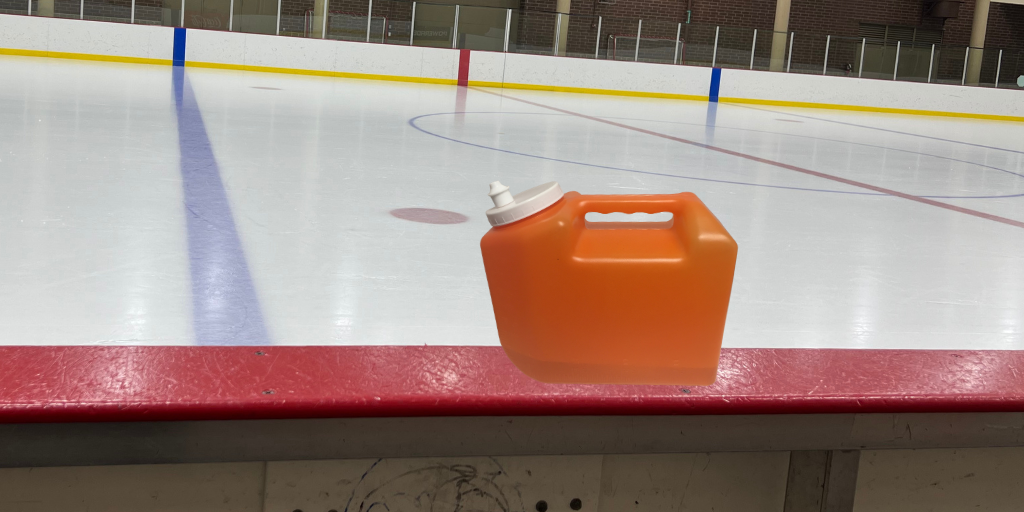
MCAS pee jug at an ice arena

Most skaters daydream about going to Olympics, landing their hardest jump, or skating the perfect program.

I daydream about turning the ice rink into MCAS testing facility.

The idea began when I realized the ice arena was too cold for my Epi Pen and steroid injection for adrenal insufficiency. As various cases and containers failed to keep my meds warm, I flashed back to the MCAS Pee Cooler of 2015. 

Mast cell activation syndrome (MCAS) testing is a rite of passage. Not only do you have to collect every droplet of urine for 24 hours, but you have keep it cold AT ALL TIMES. MCAS patients have higher levels of certain chemicals in their blood and urine, but these chemicals are extremely heat sensitive and degrade quickly. (On the positive side, thank goodness the chemicals do degrade or else we all might be dead from mast cell activation.)

Desperate for a diagnosis, I raced my pee from the toilet to the refrigerator knowing every second at room temperature risked a wasted test. At night, I worried I had added the new warm pee to the old cold pee too quickly and destroyed the specimen. The next day, my MCAS inflamed shoulder nearly dislocated hauling my pee in an ice-packed cooler to the clinic. Then I begged the nurse, who was not familiar with the test, to take care of my VIP. 

No matter how diligent a patient is, all lab hope is lost if a nurse doesn’t put the blood or urine sample on ice immediately.

Which leads to my daydream:

An ice arena is the perfect place to collect blood and pee for MCAS testing.

Before you yell ew, just know we’re already peeing and bleeding on the ice anyway. Although I no longer suffer from interstitial cystitis thanks to MCAS treatment, my bladder is still vulnerable to blunt force. A figure skating coach assured me, “Everyone pees at some point. It’s inevitable.”

Don’t even get me started on hockey players.

Technically, the samples wouldn’t have to be taken on the rink, since the entire arena is cold, but in my daydream nurses assemble pop up ice houses for privacy, which honestly are more accessible than half of the bathrooms I’ve used in clinics. 

My daydreams are fiscally responsible, so the test sessions would need to be group events, perhaps marketed as a MCAS lock-in party with entertainment, support groups, and prizes. 

The details about food and keeping everyone from triggering each other are bit hazy, but one thing is for sure–at the end of the 24 hours, an ice cream truck would arrive.

The delivery person would hand out an assortment of allergy friendly ice cream, while the nurse loaded the samples into the temperature controlled truck to be driven to the laboratory.


It’s been 8 years since I’ve been diagnosed with MCAS and testing hasn’t gotten any easier. The only thing that’s changed is our awareness of how unreliable the tests can be.

Unfortunately, the solution is much more complicated that skating rinks and ice cream trucks. Even if the physician orders the tests, the patient follows the instructions, and the clinic ships the test perfectly, laboratories often do not handle the samples properly. Most lab staff are unfamiliar with MCAS. This is why seeing a MCAS specialist who has established a relationship with laboratory staff to ensure proper handling can be so valuable.

Even if we did have reliable test, we don’t fully understand mast cell mediators or how to measure them. To be fair, the first case studies on MCAS were published in 2007. Research takes time and money.

In the meantime, more doctors are learning how to clinically evaluate for MCAS and identify when treatment trials are warranted. My positive tests provided proof of my diagnosis and disabilities (which swayed some skeptical medical providers), but in the end, access to treatment was most important. Treatment changed my quality of life, not some lab results that researchers can’t agree on how to interpret. I dream of a day MCAS patients don’t have to put their pee in their refrigerators for concrete validation, but for now, I hope we can continue to make more people feel better. 

Note: This post’s photo is absolutely photoshopped. I hope my days of carrying a pee jug in public ended years ago.  

Although specimen collection as soon as possible following an acute flare of symptoms is ideal, there is no need to wait for such an event when initially assessing the patient with longstanding baseline symptoms consistent with aberrant MC mediator release. However, if the initial laboratory assessment in a patient with a history suspicious for MCAD is negative, repeat testing is usually warranted but preferably should be deferred until the presentation of an acute flare.

– Afrin LB, Molderings GJ. A concise, practical guide to diagnostic assessment for mast cell activation disease. World J Hematol 2014; 3(1): 1-17 [DOI: 10.5315/wjh.v3.i1.1]

Related posts